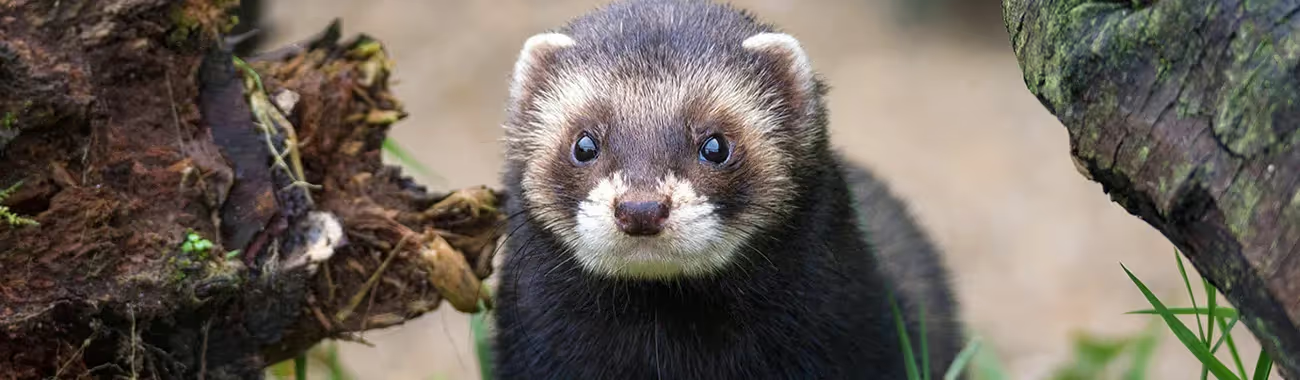


The polecat is usually solitary and is mainly active by night, but may sometimes be seen hunting during the day. It moves quickly with its body almost touching the ground, long neck stretched out and short legs moving in a kind of paddling action - it glides rather than runs! Territories are marked with a very strong foul-smelling scent produced by pea-sized glands at the base of the tail. The polecat will live in almost every kind of habitat, even sand dunes and sea cliffs, although it prefers woods and copses. It makes a den in any suitable hole, such as a rabbit burrow, fox earth or natural rock crevice. Sometimes a wood stack is used. In winter, shelter may be sought in a deserted building.
Polecats are less agile than pine martens, and cannot climb as well as they do. They have a keen sense of smell with which to track down prey. Polecats catch mice, rats, voles, rabbits, birds and their eggs, frogs, lizards and snakes. They are said to kill adders and to be immune to their poison. They carry small prey by grasping it in the middle of the back.


Explore Related Resources







_(1).original.avif)


Our Supporters




.avif)